

About ZanVision

ZanVision is an innovative company specializing in optoelectronic and infrared sensing technologies and products. We are committed to providing high-quality image processing solutions that are widely used in various fields such as border monitoring, infrastructure security, and drone detection. Through continuous technological innovation and optimization, ZanVision helps customers improve efficiency, ensure safety, and provides customized technical support. Our R&D team consists of industry experts with years of experience and technical expertise, enabling us to offer flexible and professional customized solutions.
Basic Principles of Thermal Imaging
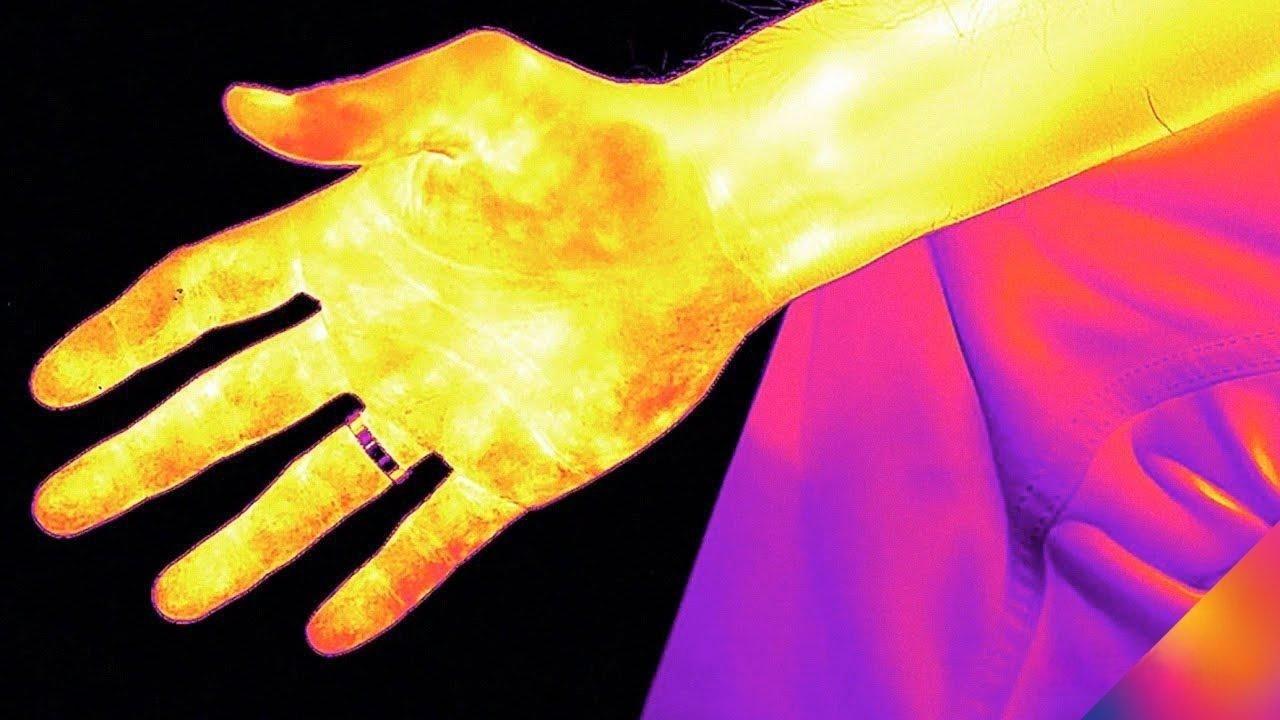
Infrared thermal imaging technology captures the infrared radiation emitted by objects to create an image. Any object with a temperature higher than absolute zero (-273.15°C) emits infrared radiation, and the intensity of this radiation is proportional to the object's temperature. Thermal imaging cameras detect the infrared radiation emitted by objects and use the temperature differences of these radiations to generate an image.
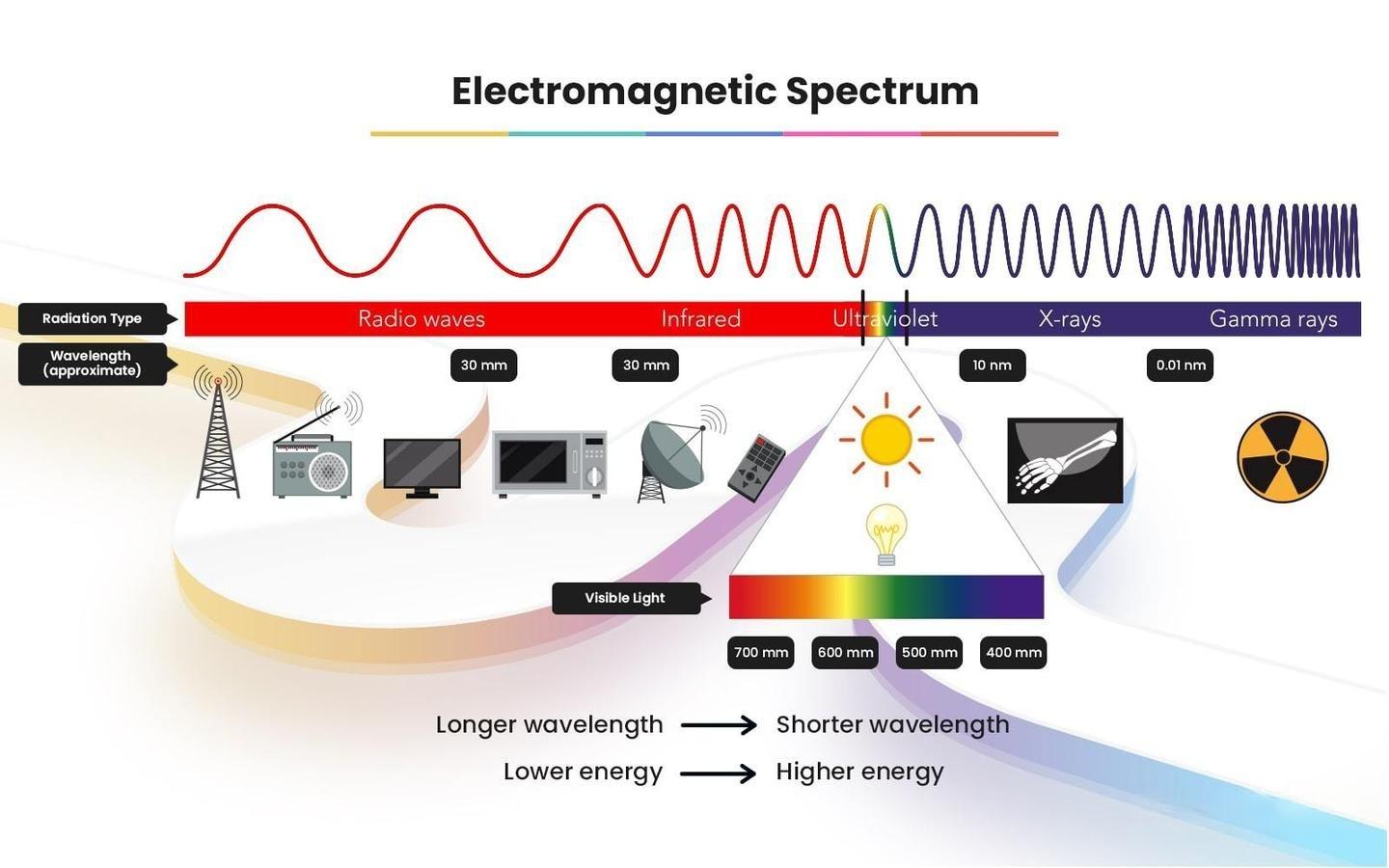
Electromagnetic Spectrum and the Infrared Range
Infrared radiation is part of the electromagnetic spectrum, with wavelengths between visible light and microwaves. Infrared thermal imaging technology primarily utilizes infrared radiation with wavelengths ranging from 750 nm to 1000 μm. Since the human eye cannot directly perceive this radiation, thermal imaging cameras use sensors to capture and convert it into thermal images that can be interpreted by humans.
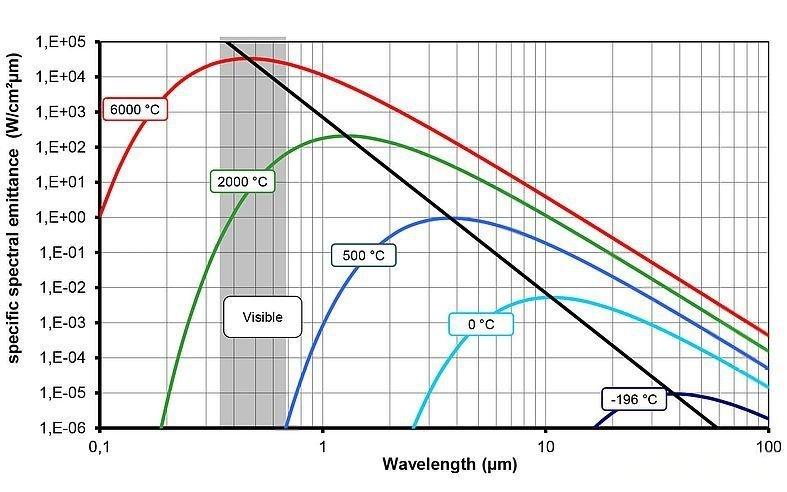
Blackbody Radiation Law and Planck's Law
In thermal imaging, the Blackbody Radiation Law and Planck's Law provide the theoretical foundation for calculating the radiation intensity of objects. A blackbody is an idealized radiation body that can absorb and emit all wavelengths of radiation completely. Planck's Law describes the relationship between the radiation intensity, wavelength, and temperature of a blackbody. Using these physical laws, thermal imaging cameras can accurately capture the temperature information of objects.

Working Principle of Thermal Imaging Cameras
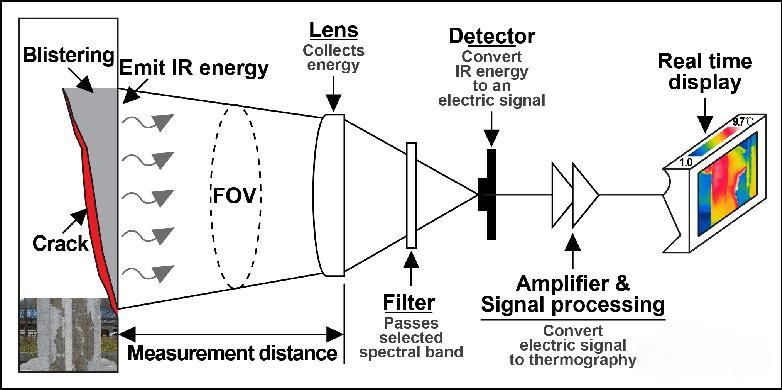
The working process of a thermal imaging camera can be divided into several steps:
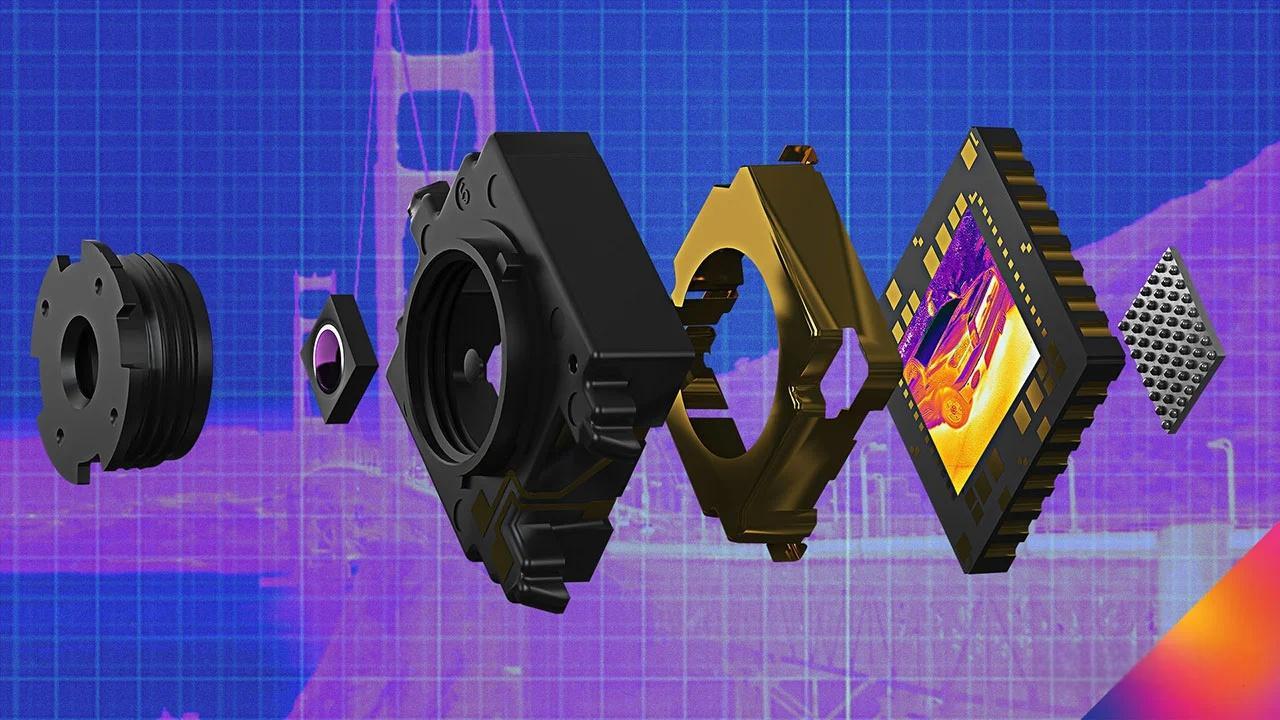
- Optical Lens: The optical lens focuses and collects the infrared radiation emitted by the object.
- Filter: The filter removes unwanted wavelengths, allowing only the relevant infrared wavelengths to pass through.
- Sensor: The sensor converts the captured infrared radiation into electrical signals.
- Signal Processing: The electrical signals are amplified and processed to generate a visual thermal image.
- Display: The final thermal image is displayed on a screen for user analysis.
Applications of Thermal Imaging Technology
Infrared thermal imaging technology is widely applied in various fields. Below are some typical application scenarios:
Security Monitoring and Prevention
Thermal imaging cameras can detect temperature differences in low-light or dark conditions, making them ideal for nighttime surveillance, border security, and perimeter defense of buildings. Through thermal imaging technology, monitoring systems can detect potential security threats in real time.
Epidemic Monitoring and Temperature Screening
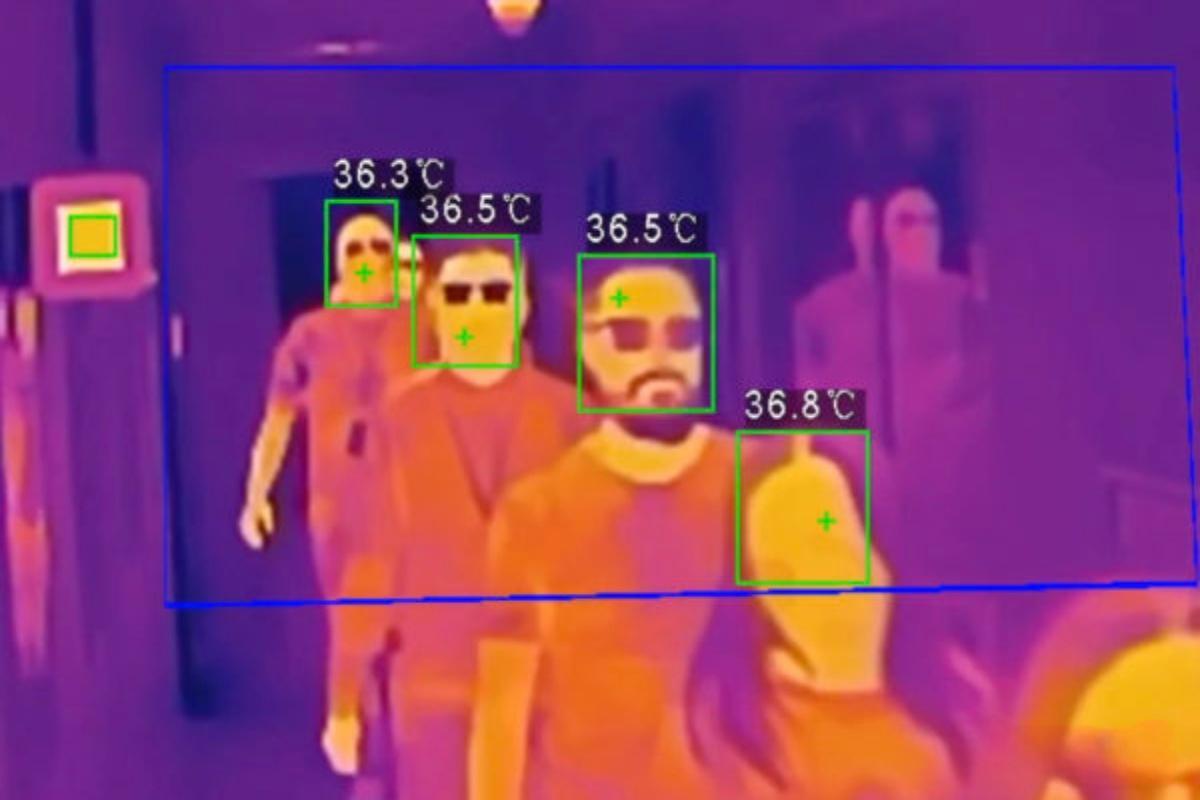
During epidemic prevention, thermal imaging cameras are widely used for body temperature screening. With non-contact measurement methods, they can quickly identify individuals with abnormal body temperatures, improving health management efficiency in public places.
Industrial and Electrical Equipment Inspections
Thermal imaging cameras are widely used in the industrial sector for equipment inspection and fault prevention. By monitoring temperature variations on equipment surfaces, potential issues can be identified early, preventing equipment failures or fire hazards.
Nighttime Monitoring and Rescue Operations
In low-visibility environments or at night, thermal imaging technology can still effectively capture temperature differences. It is extensively used in search and rescue operations, as well as fire rescue scenarios. During a fire, thermal imaging helps rescuers quickly locate the fire source and trapped individuals, improving rescue efficiency.
ZanVision's Technological Advantages and Innovations
ZanVision leverages its deep technical expertise and research capabilities to provide high-quality infrared thermal imaging products. Our products are suitable for a wide range of applications and offer high precision and stability, meeting the needs of various industries. Our technical team continuously optimizes algorithms and upgrades hardware to ensure the stability and accuracy of our products in complex environments.
As a mature and efficient monitoring technology, infrared thermal imaging has been widely applied in many industries and will continue to develop in the future. ZanVision will continue to drive technological innovation and is dedicated to providing high-quality thermal imaging products and solutions to help customers solve technical challenges in real-world applications.