

In modern imaging systems, visible-light cameras have become indispensable components in security monitoring, smart home devices, consumer electronics, drones, and even medical imaging equipment. However, the raw signals produced by image sensors are essentially dim, noisy, color-distorted, and unusable Bayer-pattern images. To transform this raw data into clear, color-accurate, and detail-rich visuals, the Image Signal Processor (ISP) plays a pivotal role, effectively defining the upper limit of final image quality.

As an innovative company focused on optoelectronics and imaging technologies, ZanVision is committed to delivering high-quality visible-light image processing solutions across a wide range of industries. Our expertise spans a full ISP algorithm framework, including auto exposure (AE), auto white balance (AWB), auto focus (AF), noise reduction, sharpening, HDR processing, and local contrast enhancement. These capabilities enable us to provide customized image optimization services for security, transportation, UAVs, consumer electronics, and industrial vision applications. With a team of experts from leading imaging enterprises and extensive engineering experience, ZanVision builds high-performance, low-latency, and highly reliable imaging pipelines that ensure every frame is more accurate, layered, and true to life.
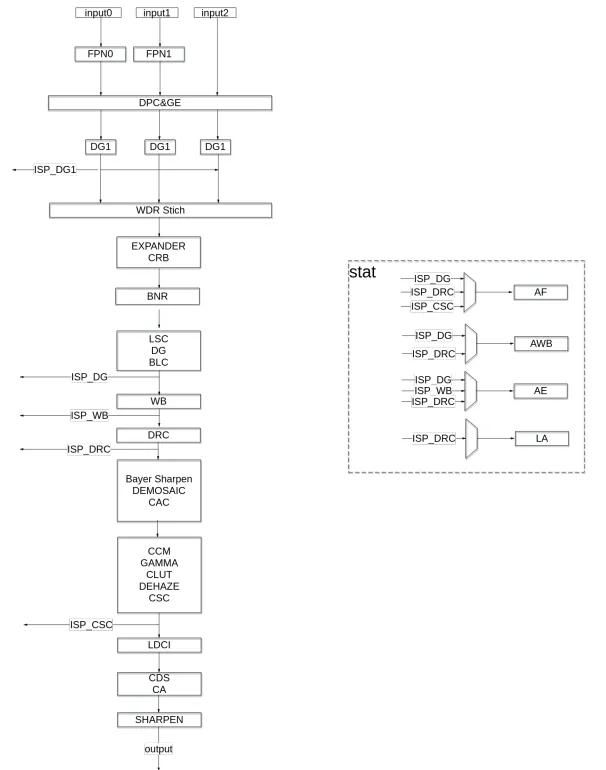
Although ISP technology underpins a broad spectrum of imaging applications, companies differ significantly in how they use and develop ISP systems. Most manufacturers do not need to develop an ISP from scratch; instead, they rely on built-in ISP modules available on mainstream SoC platforms. For example, many security cameras, smart doorbells, action cameras, and entry-level drones use ISP modules integrated in SoCs such as HiSilicon, Allwinner, or Novatek, then adjust parameters to achieve their desired image style. This approach offers low cost and short development cycles, and ZanVision frequently assists these companies with ISP tuning to ensure consistent brightness, color, and detail across complex lighting conditions.
Some companies seek deeper control over image style without fully rebuilding the ISP pipeline. These manufacturers often choose to develop the core 3A algorithms—AE, AWB, and AF—while retaining other ISP functionalities from the SoC platform. High-end security brands, UAV imaging manufacturers, and certain smartphone companies fall into this category. Customized 3A algorithms can significantly improve low-light performance, color reproduction, and tracking focus. ZanVision provides advanced, scene-tailored algorithm customization to help these companies achieve more distinctive image styles.
A third group of companies possesses strong R&D capabilities and pursues ultimate image quality, opting to build a complete ISP system from the ground up. This includes SoC vendors, flagship smartphone manufacturers, and medical imaging companies with stringent real-time requirements. Some customers even adopt FPGA-based ISP implementations to achieve high frame rates and low latency for specialized inspection scenarios. ZanVision supports these companies through coordinated hardware–software design, enabling flexible and highly customizable ISP architectures that deliver unique imaging styles and performance advantages.
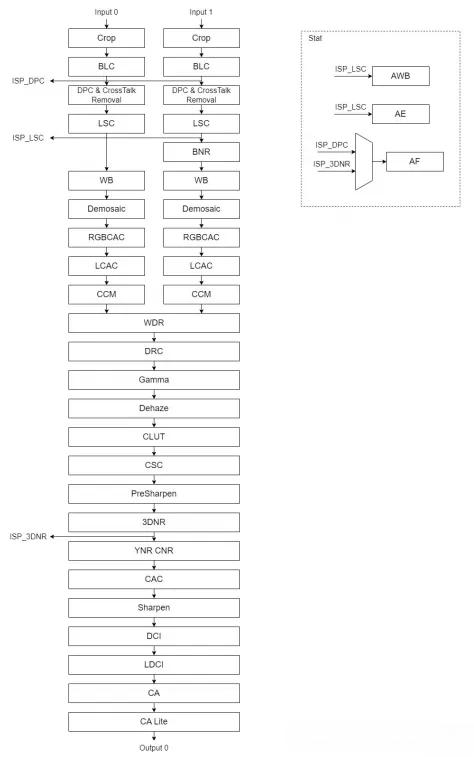
Regardless of development approach, the essence of ISP remains the same: maintaining proper brightness, accurate white balance, stable focusing, and acceptable noise levels—while shaping the overall visual character through clarity, contrast, color saturation, and tonal rendering. From low-light noise reduction to HDR processing, from gamma correction to color matrix optimization, from edge-preserving sharpening to false-color suppression, every step directly influences the viewer’s perception of “image quality.” With a complete algorithm stack and comprehensive engineering capability, ZanVision helps customers achieve their target image quality, whether tuning existing platforms or participating deeply in custom ISP development projects.
As visible-light imaging applications continue to expand, the importance of ISP technology within imaging systems grows even stronger. Smart cameras must reliably detect faces in low-light environments; drones require stable, clear imagery during high-speed flight; medical devices demand detailed visualization under extreme dynamic range; and consumer electronics increasingly pursue aesthetically refined visual output. ISP is no longer a hidden low-level component—it has become a core technology driving product performance and market competitiveness.
In response to these evolving demands, ZanVision continues to advance its visible-light imaging technologies, leveraging self-developed ISP algorithms, customizable imaging pipelines, and extensive industry experience to deliver more precise, more reliable, and more differentiated image processing capabilities. We believe that exceptional image quality not only enhances user experience but also plays a crucial role in product innovation and competitive advantage.